Voice interfaces have promised hands-free computing for years. Most still stop after answering questions or producing text.
SpeakON wants to push that interaction one step further. Its new SpeakON Agent turns spoken intent into organized follow-through. The user still reviews each supported action before anything moves ahead.
The change signals a broader ambition for the company. SpeakON no longer wants to serve only as an AI voice keyboard. It wants to become the AI Communicator for iPhone.
A Physical Button Creates a Direct Route to AI
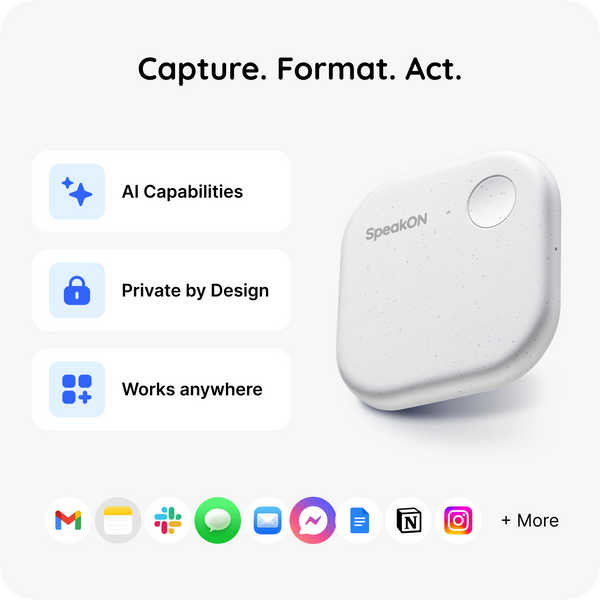
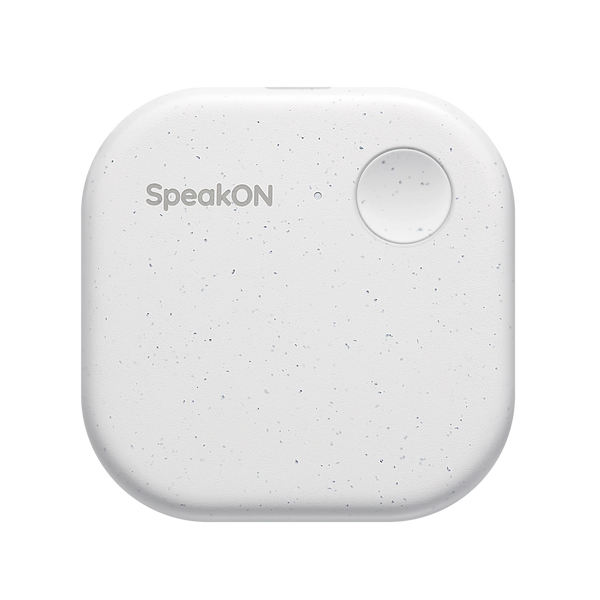
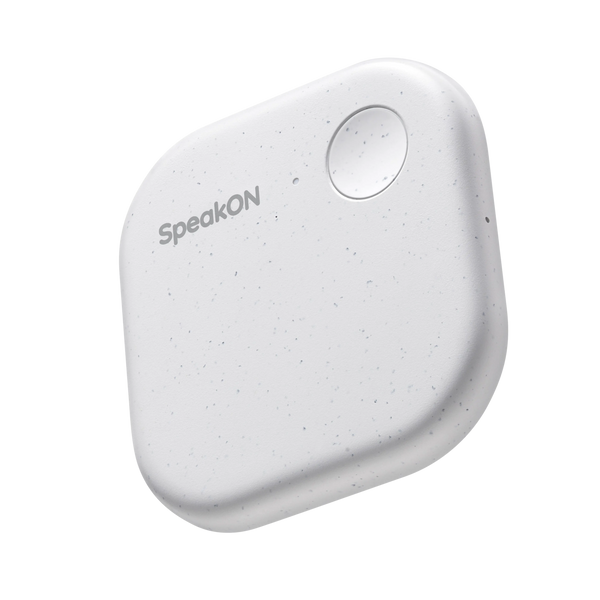
SpeakON starts with a small hardware button designed for iPhone. Users press it, speak naturally, and continue working. The device gives voice interaction a dedicated physical entry point.
That design choice may sound simple, but it addresses a common problem. AI tools often demand several steps before they become useful. A person must unlock a phone, find an app, gather context, and compose a prompt.
SpeakON reduces that opening sequence. The company describes the product as an AI Communicator rather than another recorder. It draws inspiration from the Communicator in Star Trek, where connection begins with one familiar gesture.
The comparison reflects an interface idea, not science fiction theater. People should reach useful computing without studying a new command system. Voice becomes the starting point because people already know how to explain what they need.

SpeakON Agent Moves Beyond Polished Dictation
The original SpeakON experience focuses on turning speech into finished text. Its software removes filler words, adds punctuation, and organizes loose thoughts. Users can select Natural, Friendly, Professional, or Concise styles.
Voice Edits lets users revise output without starting over. Instant Translation can produce text in another language. Notes, Lists, and Weekly Summary help preserve useful context over time.
Those features make spoken input easier to use in real communication. However, the user still has to take the next step. A reminder must be created. A meeting must be scheduled. An email must be prepared and sent.
SpeakON Agent extends the workflow after the words become clear. It interprets follow-up requests as structured Tasks. It then prepares supported Actions for review and confirmation.
That distinction defines the announcement. The product is not adding another voice-typing mode. It is moving from transcription toward supervised execution.

The User Keeps Judgment and Approval
The model's most important part isn't automation alone. SpeakON places user approval between planning and execution. That boundary keeps judgment with the person who initiated the request.
Consider a founder leaving one meeting for another. She remembers a product idea while walking through the hallway. She presses SpeakON and records the thought before it disappears.
Her request might include three connected instructions. Save the concept as a product note. Schedule a reminder for next Tuesday. Draft a follow-up email to a colleague.

SpeakON Agent organizes those instructions into an editable note and a structured task. It prepares the reminder and email draft. The founder reviews the proposed actions, makes any necessary changes, and confirms the next step.
The workflow respects a practical truth about professional work. Speed helps, but context and accountability still matter. A useful agent should move work forward without quietly making consequential decisions.
The Larger Shift Is from Output to Follow-Through
Generative AI first reached many users through blank prompt boxes. People asked a question and received text, images, or code. That interaction proved powerful, but it also created a new layer of manual coordination.
Users still move useful output into calendars, email clients, notes, and project systems. They decide which details belong where. They also check permissions, recipients, timing, and tone.
SpeakON is building around that gap. Spoken intent can contain both content and direction. A person may explain what mattered, offer an opinion, and describe what should happen next.
The Agent separates those elements and structures them. It can preserve the original thinking while preparing the operational follow-through. This approach treats AI as a bridge between judgment and tools.
SpeakON summarizes its philosophy plainly. AI should move your thinking forward, not think for you. That position may resonate with experienced professionals who want leverage without losing control.
An AI Input Layer Could Connect More Than One App
SpeakON describes its longer-term direction as an AI Input Layer. The concept extends beyond a keyboard replacement or a single mobile application. It creates a single, natural entry point to approved tools and workflows.
Voice remains central because it captures intent quickly. Screenshots and copied content can add supporting context. Authorized computers, software tools, and other agents could eventually complete different parts of a request.
This model would reduce the burden of learning separate interfaces for every task. A user could describe the desired outcome in familiar language. SpeakON would then prepare the necessary steps across connected systems.
The company has not promised universal integration at launch. Its immediate focus remains the iPhone experience and supported actions. Still, the Input Layer offers a clear framework for future development.
Success will depend as much on restraint as on technical reach. Permissions must remain understandable. Confirmations should appear at meaningful moments. People also need clear records showing what the Agent prepared or completed.
SpeakON Targets People Who Work Between Moments
SpeakON is initially focusing on English-speaking iPhone users in the United States. Its broader consumer audience includes gadget buyers, everyday-carry enthusiasts, gamers, and early technology adopters.
The professional segment gives the Agent story sharper context. Founders, managers, consultants, sales professionals, freelancers, and creators often work between scheduled moments. Their ideas rarely arrive when a keyboard feels convenient.
A sales leader may need to capture a client promise after a call. A consultant may remember an important recommendation while traveling. A creator may develop a useful opening while carrying equipment.
These users do not always need more generated content. They need fewer dropped decisions and less administrative delay. SpeakON aims to capture a thought while its context remains fresh.
The hardware also creates consistency. A dedicated button can become a learned habit across locations. That may prove valuable for people who dislike navigating changing software menus.
Voice Convenience Raises Clear Trust Questions
Any agent that connects language with action must earn trust carefully. Users need to understand what the system heard and interpreted. They must also see which steps require approval.
SpeakON says its current product uses encrypted data handling. The company also says it does not sell user data. Its website lists SOC 2 Type II and HIPAA compliance.
Those claims provide useful signals, but the Agent introduces broader expectations. Customers will want precise controls for connected accounts, retained context, action history, and deletion.
The review screen will be especially important. It should make recipients, dates, wording, and permissions easy to verify. A rushed confirmation process would weaken the promise of controlled automation.
SpeakON can also build confidence through predictable failure behavior. The Agent should explain when information is missing or an action remains unsupported. Honest limits often create more trust than silent guesswork.
SpeakON is designed for attached and standalone use during everyday routines. Official SpeakON website
Hardware and Software Must Feel Like One Product
SpeakON combines a physical accessory with an iPhone application. That pairing creates both differentiation and responsibility. Customers will judge the complete experience rather than each component separately.
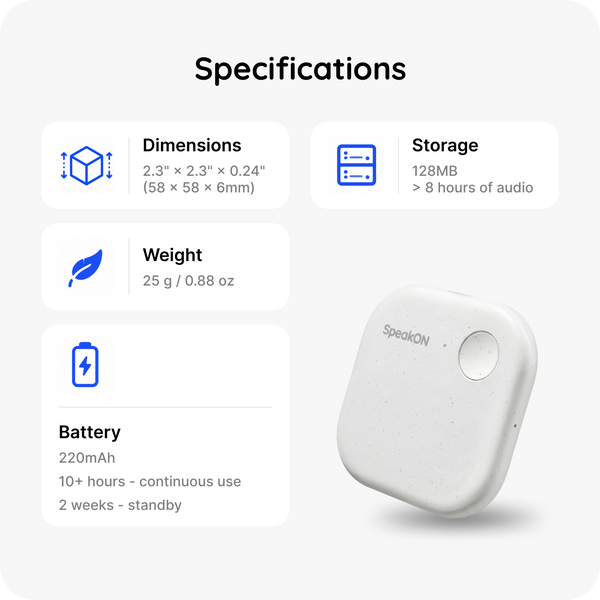
The company says the device can record while the phone remains locked. It can also record offline and synchronize later. SpeakON lists more than ten hours of continuous use and two weeks of standby time.
The product page also lists a 30-day return window and a 12-month warranty. Those details matter for a device intended to travel through daily routines.
Software quality will shape the longer relationship. App updates must remain compatible with supported iPhones. Connection behavior, battery reporting, and account recovery should stay reliable as the Agent gains more capabilities.
A strong product will make the hardware disappear into habit. The button should feel immediate, while the software quietly provides structure. Any friction between those layers could undermine the central promise.
SpeakON Enters a Fast-Moving Voice AI Category
Wearable and portable AI products increasingly promise help beyond recording. Some summarize conversations. Others capture notes, support translation, or prepare follow-up work.
SpeakON takes a distinct route by centering intentional input. The user presses a button and speaks directly to a personal agent. This reduces ambiguity about when listening begins.
The iPhone focus also gives the company a defined starting market. A narrower platform can support a more consistent early experience. It may also help SpeakON refine permissions and action design before expanding further.
The challenge will involve explaining why dedicated hardware improves the experience. Many phones already support dictation, assistants, and shortcuts. SpeakON must show that one reliable gesture creates meaningful time and attention savings.
The Agent announcement strengthens that case. A button becomes more valuable when it opens a controlled path from thought to action. It no longer serves only as a faster microphone.
The AI Communicator Is an Ambitious but Understandable Idea
Technology companies often introduce new categories before customers recognize the need. SpeakON has chosen AI Communicator to describe a device, interface, and personal agent working together.
The term carries more ambition than an AI voice keyboard. It suggests ongoing communication with a system that understands context and prepares useful work. The physical device becomes the contact point for that relationship.
SpeakON must now prove the category through everyday reliability. Tasks should reflect the speaker's real intent. Actions should remain easy to inspect. Connected tools should behave consistently across ordinary situations.
If those pieces work together, the product could reduce a familiar form of digital friction. People would spend less time transferring their own ideas between applications.
SpeakON Agent represents the company's first major step toward that model. It connects spoken judgment with structured follow-through while preserving approval. That balance defines the opportunity ahead.
What Comes Next for SpeakON
SpeakON plans to announce SpeakON Agent on October 20. The launch will position the company around supervised action rather than transcription alone.
The current product already provides voice input, formatting, editing, translation, and organized notes. The new Agent gives those capabilities a clearer destination. Captured ideas can become prepared next steps instead of isolated text.
The longer roadmap points toward an AI Input Layer that connects information, tools, and workflows. That vision will require careful integrations, transparent controls, and consistent user confirmation.
For now, SpeakON is making a focused argument. People should be able to tell AI what mattered, what they think, and what should happen next. The Agent can handle the follow-through while they make the final call.
Explore the official SpeakON website for current product details and launch updates.
Source: Originally published by TechTimes on October 20, 2026.