Voice-to-text expands into AI Voice Keyboard capabilities, using a voice-first Agent for structured tasks and user-approved actions.
Ideas rarely happen at a convenient time. Someone could be walking past a coffee shop in midtown and suddenly have the next million-dollar idea, or need to schedule a follow-up meeting with a crucial client.
Capturing the thought itself is relatively easy. The challenge is having a system that acts on those thoughts. That’s where the friction begins. SpeakON seeks to close that gap with the SpeakON Agent. This new feature expands the voice-first iPhone into new capabilities.

When users tell the Agent what matters, what it thinks, and what should happen next, SpeakON handles the follow-through. It’s the next natural step: an AI communicator that creates a more natural interface between human intent and automation.
SpeakON Agent Goes Beyond Voice Typing
Voice interactions with smartphones are nothing new. What is unique is what happens after someone stops speaking. With traditional dictation, the process is usually simple. Someone speaks into the device. Software converts the audio to words. A note is created.
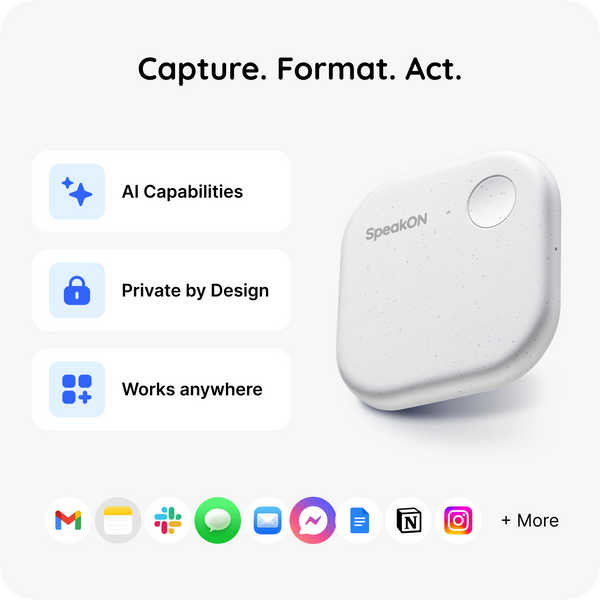
Modern AI can elegantly improve that process. One where speech is organized and cleaned up, but the output is slightly different. The development operates with its AI voice keyboard for iPhone. Its auto-format features remove filler words, add punctuation, and organize spoken input. Instead of going back in to add style or make edits, SpeakON’s style features cover everything from natural voicing to friendly, professional, or concise.
Someone needing to get through a busy day can tell SpeakON Agent to organize intentions around a block of dictated text. It captures ideas, sets reminders, and requests a follow-up email.
A Physical Button Gives AI Its Own Entry Point
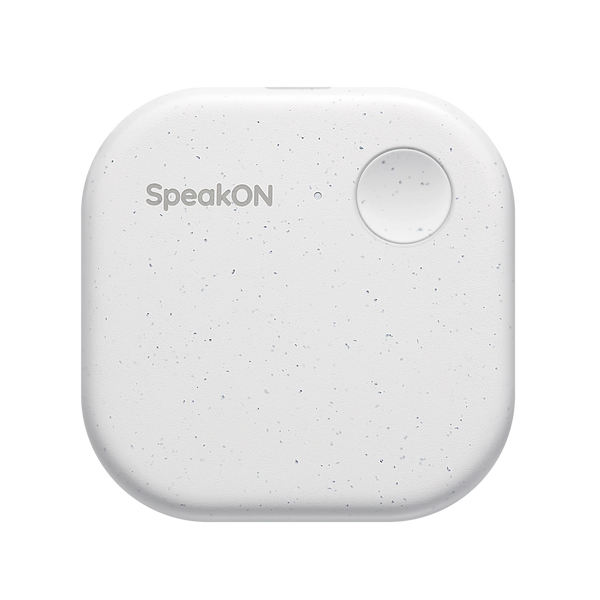
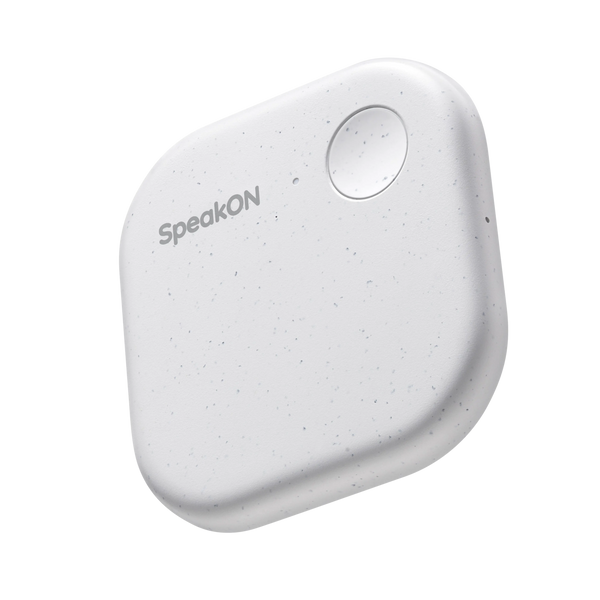
SpeakON differs from other software-based AI assistants by directing voice interaction to dedicated hardware. A physical Voice button is designed for an iPhone’s software environment.
All a user has to do is press the button and speak, instead of opening a bunch of apps first. Even when an iPhone is locked, the device can record. Voice generates text, then apps use it in text fields or through the iOS keyboard.

SpeakON is currently compatible with iPhones running iOS 16 or later, but the iPhone 12 or newer is required for the full MagSafe attachment. This is an AI communicator, not just another AI application. There is no deliberate intent. SpeakON reduces those intermediate steps with a more natural workflow.
From a Passing Thought to a Structured Task

Think about a product manager. They are stuck in meetings when inspiration hits and need to record the idea. All she has to do is press SpeakON to save an annual billing reminder as a product idea. The advanced SpeakON Agent uses all three intentions in a singular stream.
To adapt to business leaders and those who document everything, SpeakON includes Notes and Lists to preserve and organize information. There is a weekly summary that can bring accumulated context back into view. That means a thought captured on Monday can suddenly get very relevant in a meeting on Thursday.
The entire software is designed as an “AI Input Layer.” That is why it connects information, tools, and workflows. The idea of such integrations is no longer the wave of the future. It’s a concentrated effort to convert spoken intent into structured tasks and fully supported actions.
Voice Remains Useful Even When No Action Is Required
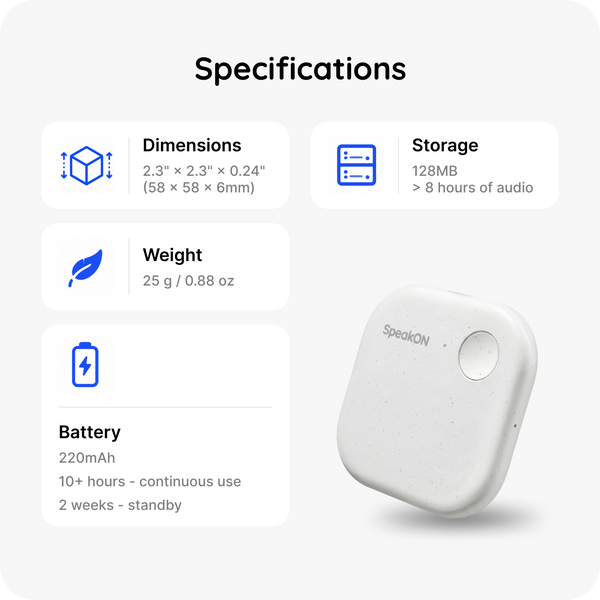
Of course, these new expansions with SpeakON don’t mean the software’s capabilities are diluted. The existing voice tools remain just as relevant as ever. Still, the Agent Auto-Format can clean up the natural speech into something more useful. With more than 10 hours of continuous use and two weeks of standby time, this little assistant should last a long time while inspiring new designs.
The timing for the SpeakON Agent couldn’t be better. Plenty of AI hardware companies are looking into similar transitions between recording and transcription. Plaud recently introduced an agent with capabilities that could turn information captured in the wearable into keyword-rich actions across various tools.
Even though AI has become sophisticated, there is plenty of room to grow. AI models still need more nuance to produce truly rewarding prompts. For busier professionals, the limiting factor isn’t whether AI can generate an email. That’s solved. What is needed now is the next stage. SpeakON provides the AI that requires less manual effort.
SpeakON Wants AI to Move Thinking Forward, Not Replace It
What is compelling about the latest SpeakON agent is that the entire company still uses automation, but in a far less disruptive way. The Agent handles what comes forward, not every item auto-filtered in Gmail.
AI software will only grow in popularity and efficiency. Any chance to remove those repetitive steps only drives more users to products just like the SpeakON Agent. The goal is to provide an AI communicator to ensure better access to a personalized Agent that eventually accesses voice, information, tools, and workflows to generate amazing results.
Source: Originally published by iLounge on October 20, 2026.